
Top Commercial Mushroom Growing Supplies Essentials
- Clinton Diong

- May 25
- 4 min read
Mushroom cultivation is an art and a science rolled into one fascinating journey. Whether you're scaling up your operation or just diving into the world of fungi farming, having the right tools and supplies can make all the difference. Imagine your mushroom farm as a symphony, where every instrument - from spores to substrates - plays a vital role in creating a masterpiece. Today, let's explore the top commercial mushroom growing supplies essentials that will help you cultivate success with flair and precision. Ready to dig in? 🍄✨
Mushroom Growing Supplies Essentials: What You Really Need
Starting with the basics, mushroom growing is all about creating the perfect environment for your fungi to thrive. This means you need supplies that support every stage of growth, from inoculation to harvest. Here’s a rundown of the essentials:
Spawn and Spores: The heart of your operation. High-quality spawn ensures vigorous mycelium growth and robust fruiting bodies. Look for spawn that matches your mushroom species and growing conditions.
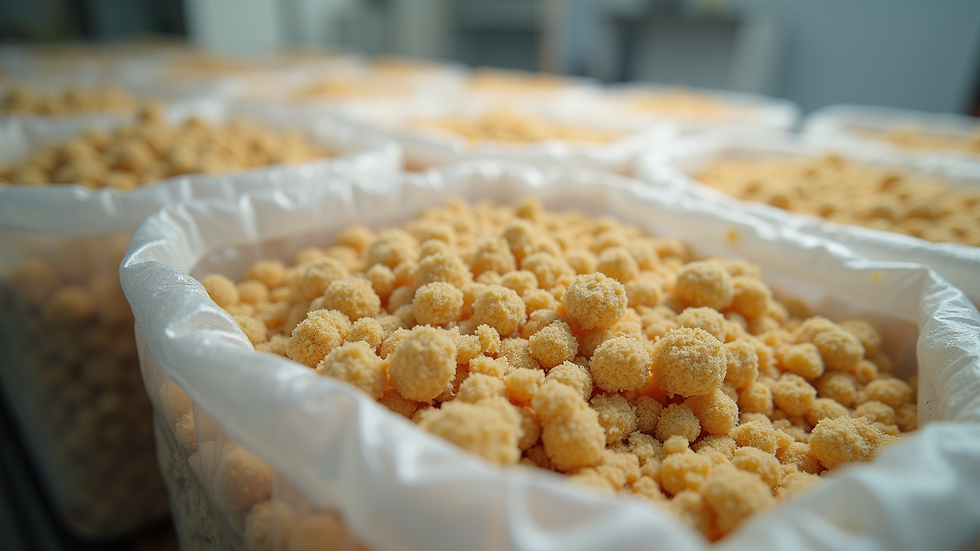
Substrate Materials: Mushrooms love organic matter! Common substrates include straw, sawdust, coffee grounds, and hardwood chips. The substrate must be sterilized or pasteurized to eliminate contaminants.
Growing Containers: Bags, trays, or jars designed to hold your substrate and spawn. These containers should allow for proper air exchange while maintaining humidity.
Humidity and Temperature Control: Mushrooms are sensitive to their environment. Humidifiers, misting systems, and thermostats help maintain ideal conditions.
Lighting: While mushrooms don’t need sunlight like plants, some species require indirect light to trigger fruiting.
Sterilization Equipment: Pressure cookers or autoclaves are crucial for sterilizing substrates and tools, preventing contamination.
Harvesting Tools: Sharp knives or scissors designed for clean cuts to avoid damaging the mycelium.
Each of these supplies plays a starring role in your mushroom growing saga. Without them, your fungi might struggle to flourish.
Are Mushroom Grow Kits Worth Buying?
If you’re wondering whether mushroom grow kits are a good investment, you’re not alone. These kits are often marketed as beginner-friendly, all-in-one solutions that simplify the growing process. But do they hold up for commercial growers?
The short answer: it depends on your goals.
Grow kits are fantastic for learning the ropes or producing small batches. They come pre-inoculated with spawn and substrate, so you skip the sterilization and inoculation steps. This convenience is perfect for hobbyists or those testing new mushroom varieties.
However, for commercial-scale operations, grow kits can be limiting. They often come in fixed sizes and may not offer the flexibility or volume needed for larger yields. Plus, the cost per pound of mushrooms can be higher compared to sourcing your own spawn and substrates.
That said, grow kits can be a valuable tool for:
Experimenting with new mushroom species before committing to bulk production.
Demonstrating mushroom cultivation techniques in educational or retail settings.
Providing a quick harvest for special events or promotions.
In essence, grow kits are a stepping stone, not a final destination, for serious mushroom growers. They complement your arsenal but don’t replace the need for professional-grade supplies.
The Role of Sterilization and Contamination Control
One of the biggest challenges in mushroom cultivation is contamination. Competing molds and bacteria can quickly ruin your substrate and waste precious time and resources. This is why sterilization and contamination control are non-negotiable.
Pressure cookers and autoclaves are your best friends here. They use high heat and pressure to kill off unwanted microorganisms in your substrate and tools. For commercial growers, investing in a reliable autoclave can boost your success rate dramatically.
Additionally, maintaining a clean workspace is crucial. Consider:
Using laminar flow hoods or still air boxes during inoculation.
Wearing gloves and masks to reduce contamination risks.
Regularly sanitizing surfaces and equipment.
Remember, a clean environment is the fertile soil where your mushroom dreams take root.

Choosing the Right Substrate for Your Mushrooms
Substrate choice can make or break your mushroom crop. Different species have unique preferences, so understanding what your mushrooms crave is key.
Oyster Mushrooms thrive on straw, coffee grounds, and sawdust.
Shiitake Mushrooms prefer hardwood sawdust or logs.
Lion’s Mane grows well on hardwood sawdust supplemented with bran.
Substrate preparation involves chopping, soaking, and sterilizing or pasteurizing to create a nutrient-rich, contamination-free bed for your mycelium. Adding supplements like wheat bran or gypsum can boost yields by providing extra nutrients.
For commercial growers, sourcing substrate materials in bulk and ensuring consistent quality is essential. Partnering with local suppliers or recycling agricultural waste can be both cost-effective and sustainable.
Essential Environmental Controls for Optimal Growth
Mushrooms are like delicate dancers, responding to every cue in their environment. Temperature, humidity, fresh air exchange, and light all influence their growth and fruiting.
Temperature: Most mushrooms prefer a range between 55°F and 75°F, but this varies by species.
Humidity: High humidity (80-95%) is critical during fruiting to prevent drying out.
Fresh Air Exchange: Mushrooms need oxygen and release carbon dioxide. Proper ventilation prevents stunted growth and malformed caps.
Lighting: Indirect light signals mushrooms to start fruiting but avoid direct sunlight.
Commercial growers often use climate-controlled grow rooms equipped with humidifiers, fans, and LED lights to maintain these conditions consistently. Automation systems can monitor and adjust parameters, freeing you to focus on other tasks.
Wrapping Up Our Mushroom Growing Adventure
Embarking on the mushroom cultivation journey is like nurturing a secret garden beneath the soil. With the right commercial mushroom growing supplies, you set the stage for a bountiful harvest that delights the senses and fuels your business ambitions.
From spawn to substrate, sterilization to environmental controls, every piece of the puzzle matters. Equip yourself with quality tools, stay vigilant against contamination, and tailor your environment to your mushroom species’ needs. The rewards? Fresh, flavorful mushrooms that tell a story of care, expertise, and passion.
So, are you ready to cultivate your own fungal kingdom? Let’s grow together! 🍄🌱

Comments